The Complete Guide to Seasonal Car Maintenance
Preparing Your Vehicle for Thermal Stress
Modern vehicles are remarkably resilient, but thermal extremes—especially blistering summer heat and sudden winter freezes—trigger the vast majority of roadside breakdowns. Here is our master technician checklist to keep your vehicle running smoothly year-round.
Phase 1: The Summer Heat Defense (Batteries & Cooling)
Most drivers believe winter kills car batteries, but heat is the true executioner. Ambient temperatures exceeding 95°F accelerate internal chemical electrolyte evaporation and internal grid plate corrosion.
Crucial Heat Checks:
- Battery Conductance Test: Even if your car starts fine on a mild morning, high heat can cause an aging battery to fail without warning when the starter draws peak current after the engine heat-soaks.
- Coolant pH and Boilover Protection: Antifreeze is not just for winter; it raises the boiling threshold of your cooling system to over 265°F under system pressure. Aging coolant turns acidic, corroding radiator aluminum tubes and thermostat housings.
- Tire Pressure Spikes: Every 10°F increase in ambient temperature raises tire pressure by roughly 1 PSI. Overinflated tires reduce the road contact patch and cause accelerated center-tread wear.
Phase 2: Monsoon & Wet Weather Visibility
Summer storms bring sudden flash downpours with dangerous hydroplaning conditions.
- Wiper Blade Integrity: Wiper rubber degrades under UV sunlight within 6 to 12 months. If your blades leave streaks, chatter across the glass, or have torn squeegee edges, replace them before storm season.
- Tire Tread Depth: Legal minimum tread depth is 2/32", but hydroplaning resistance degrades dramatically below 4/32". At 70 mph on standing water, shallow tread cannot evacuate water fast enough, causing the tire to float on a layer of liquid.
Phase 3: Winter Cold Weather Preparation
- Washer Fluid Freeze Rating: Ensure your windshield reservoir contains sub-zero de-icing fluid rather than plain summer bug wash, which can freeze solid and shatter the fluid pump.
- Tire Pressure Drops: In cold weather, tire pressure drops by 1 PSI for every 10°F drop. Low tire pressure degrades fuel economy and ruins shoulder tread.
- Cabin Air Filter: A clogged cabin pollen filter causes your vehicle defroster to struggle with fogged windows during cold morning starts.
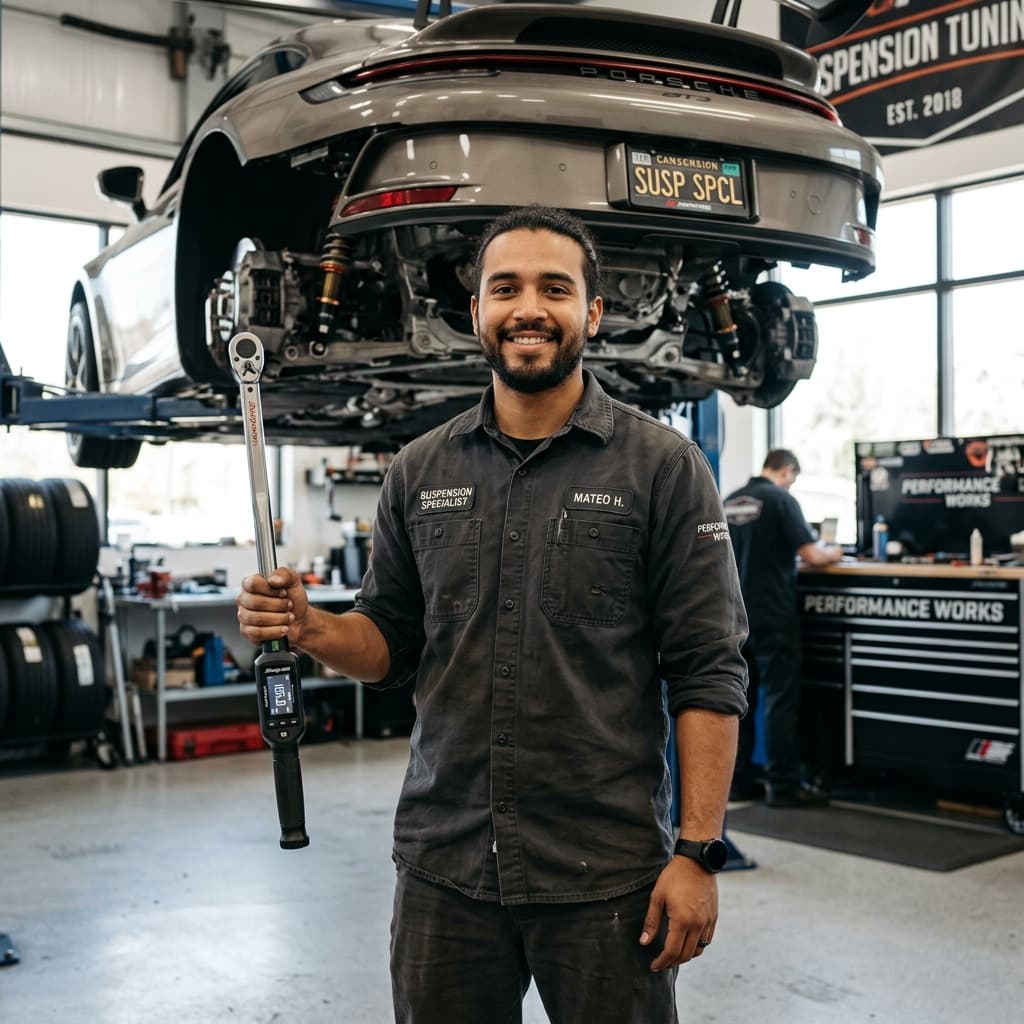
Mateo Hernandez
Lead Performance Technician
Serving the Austin automotive community with advanced diagnostics, honest advice, and master-level craftsmanship.
Concerned About Your Vehicle's Safety?
Don't wait for a breakdown. Book our 45-Point Digital Vehicle Inspection today.
Schedule An Inspection Now